TELEKI-MIKÓ CASTLE
General information
Owners
Description
Historical overview
Ocna Mureș (Marosújvár) first appears in written sources in 1202, under the name Uyvar. The former earth fortress that once stood here was granted by King Stephen V around 1268 to Jakab Gerendi de Kalocsa, being mentioned at that time as Novi Castri. In 1296, Jakab Gerendi’s relatives exchanged the estate with the Bishop of Transylvania, who two years later passed it on to Ban Mikud de Kökényes-Radnót and his three sons. In 1338, the estate returned once again to the Bishop of Transylvania, and after the secularization of Catholic properties it became the property of the princely treasury. In 1581, Voivode Kristóf Báthory donated it to his familiaris, János Gálfi.
János Gálfi de Kocsárd was a great landowner in the Aranyos Seat (Aranyosszék). After Kristóf Báthory’s accession to the throne, he became supreme royal judge of Aranyos Seat and princely councilor, also receiving significant land donations. In 1583, he became tutor to Zsigmond Báthory, the only son of Kristóf Báthory and Erzsébet Bocskai who reached adulthood. After becoming prince, Zsigmond Báthory turned against Gálfi, accusing him of siding with Boldizsár Báthory in his quarrel with his nephew. In 1592, the prince had Gálfi arrested and taken to the fortress of Khust (Huszt), and in 1593 he was executed by beheading. János Gálfi’s autobiography and plea for clemency, written in prison, were published in 1837 by Count József Kemény and István Kovács de Nagyajta. At the end of the 16th century, János Gálfi built a fortified Renaissance castle at Ocna Mureș. Of this structure, only a pentagonal bastion has survived to the present day, now standing in the courtyard of a private house.
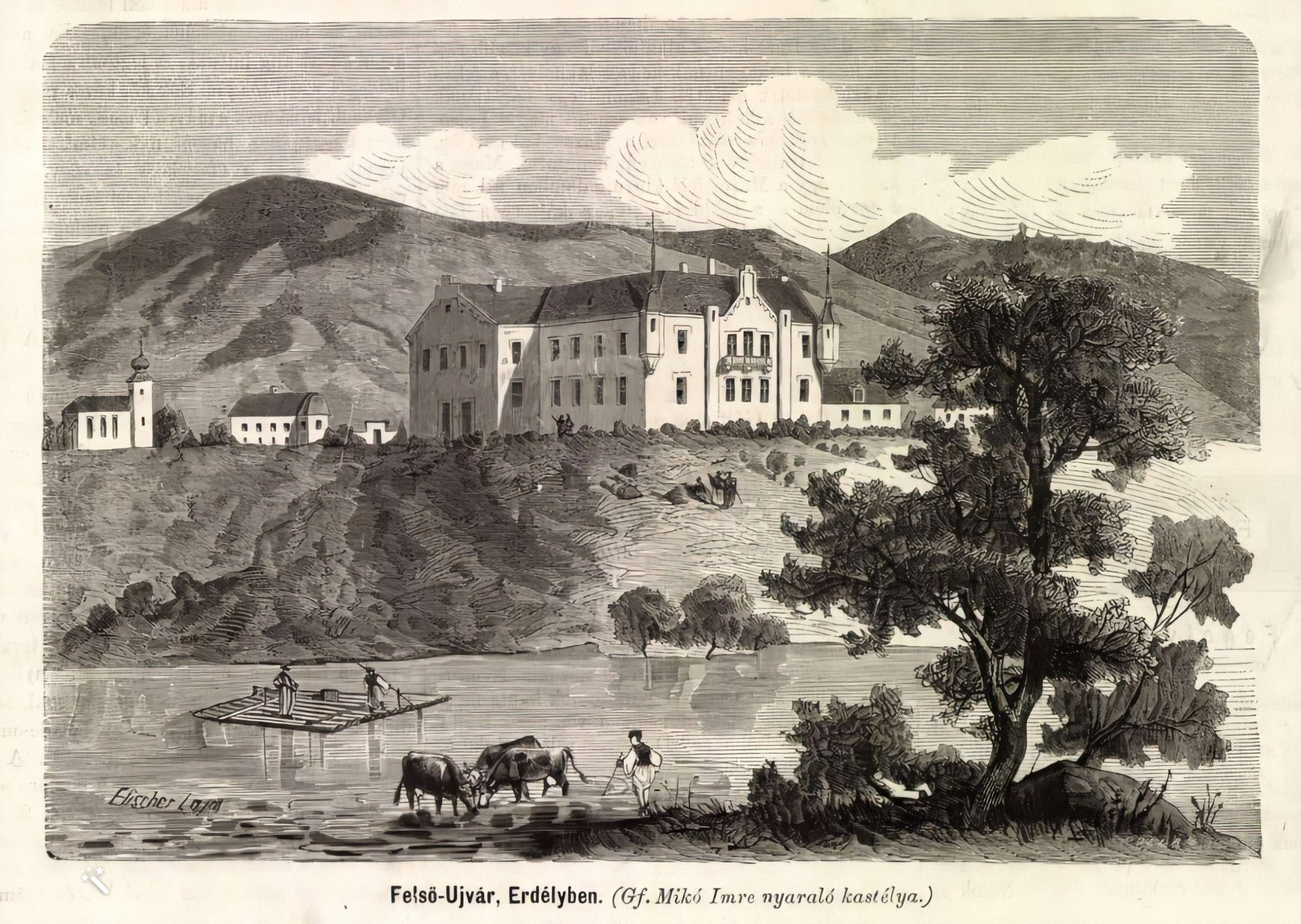
In 1620, Prince Gábor Bethlen donated the estate to Mózes Székely the Younger, the only posthumously born son of Prince Mózes Székely de Siménfalva. During the reign of Prince György Rákóczi II, in 1649, the domain was acquired by Mihály Mikes (III) de Zabola, and it remained in the family’s possession until the mid-19th century. In 1742 István Mikes (II), lord lieutenant of Alsó-Fehér and Belső-Szolnok counties, remodeled the old Renaissance castle in Baroque style. The new Baroque castle is known only from a painting by Ferenc Neuhauser, made at the end of the 18th century, as it was destroyed in October 1848 by the Romanian insurgents led by Simion Prodan. At that time, the lord of Ocna Mureș was Count Benedek Mikes (IV), who in 1854 sold the estate to his cousin, Count Imre Mikó de Hídvég.
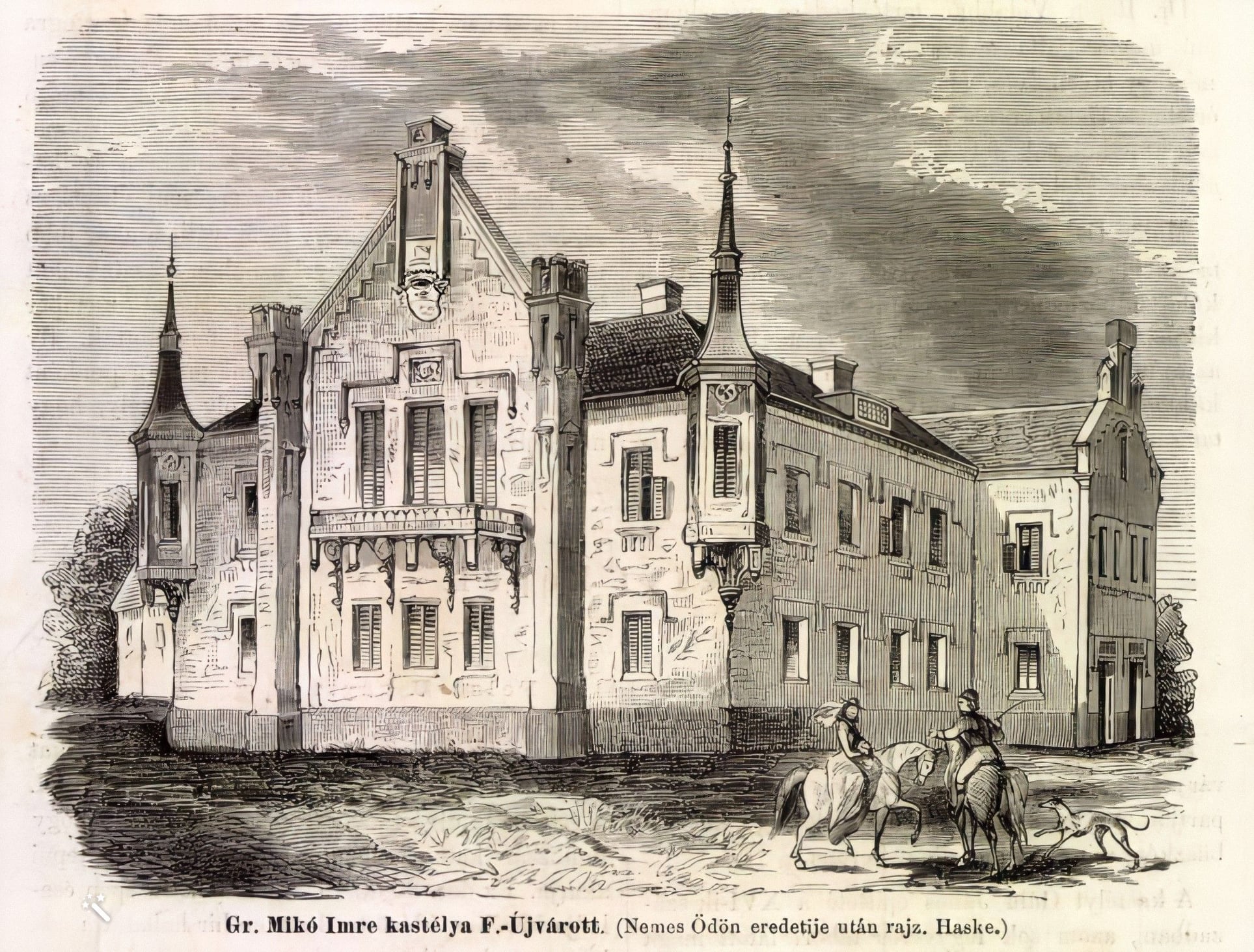
Called the “Széchenyi of Transylvania” Count Imre Mikó was a defining figure of the 19th-century political, economic, and cultural life of Transylvania. He served twice as Governor of Transylvania, and between 1867 and 1870 he was Hungary’s Minister of Public Works and Transport. In the years following the revolution, between 1850 and 1860, he dedicated his life to the economic and cultural advancement of Transylvania. He played a prominent role in the foundation of the Transylvanian Museum Society (EME) in 1859, securing government approval and donating his summer palace with its garden in Cluj-Napoca (Kolozsvár) to the museum. At the commission of Count Imre Mikó, between 1856 and 1862, based on the plans of the Cluj architect Antal Kagerbauer, the castle at Ocna Mureș was transformed in Neo-Gothic style. The most important moments in the building history of the castle are summarized on the commemorative plaque placed above the Neo-Gothic doorway of the main façade: “THIS HOUSE WAS BUILT FROM THE RUINS OF AN OLD CASTLE BY COUNT ISTVÁN MIKES DE ZABOLA, IN 1742. IT WAS DESTROYED AGAIN IN 1848 AND REBUILT BY COUNT IMRE MIKÓ DE HÍDVÉG, IN 1856.”
With the death of Count Imre Mikó in 1876, the Mikó family died out on the male line. The count divided all his wealth among his grandchildren, and thus the estate of Ocna Mureș was inherited by Count Ádám Teleki, the third son of Count Károly Teleki and Countess Mária Mikó, together with his wife, Ágnes Zeyk.
Period after nationalization
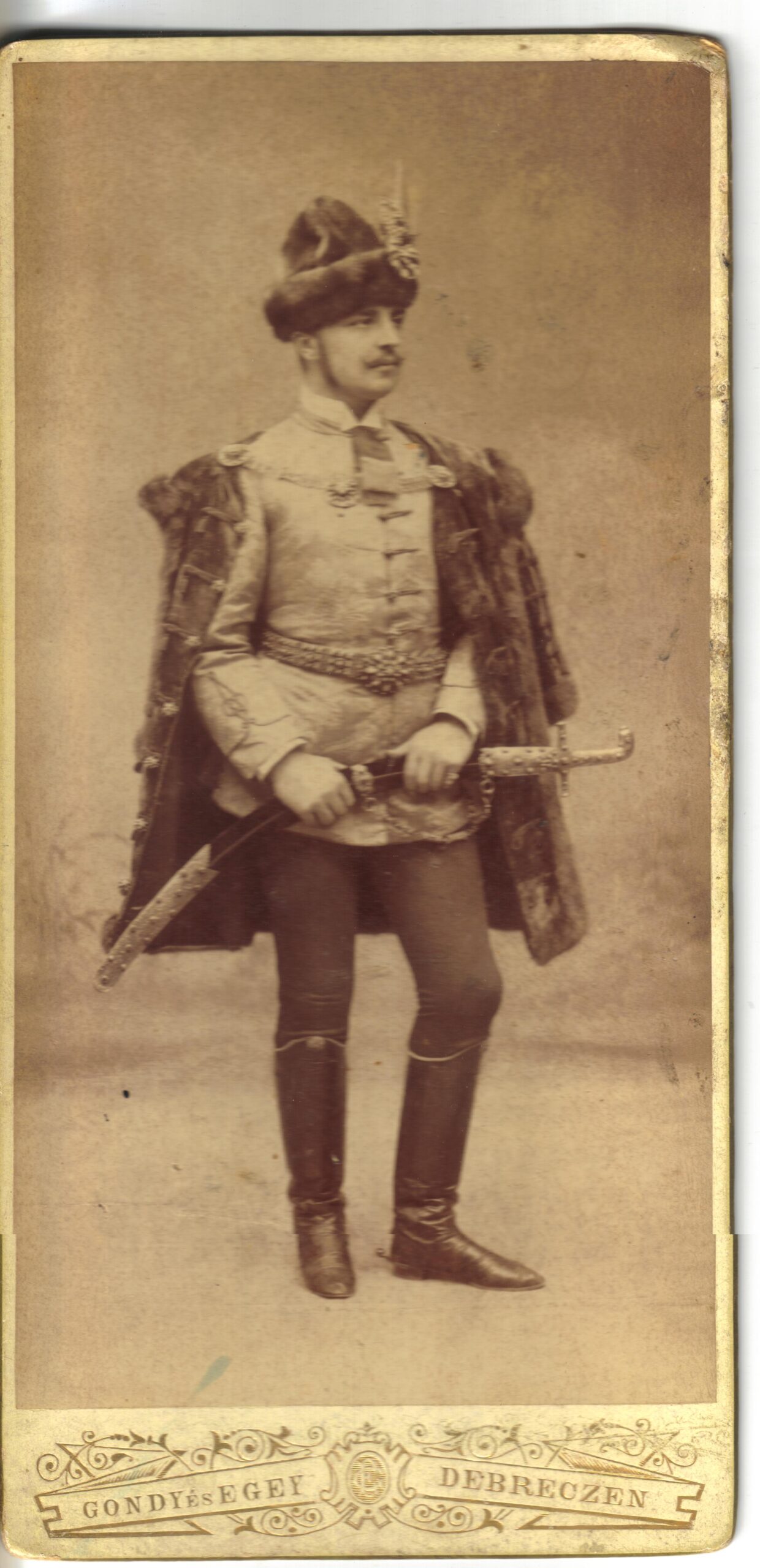
The last owner of the castle before nationalization was Count Ádám Teleki, the son of Ádám Teleki and Ágnes Zeyk. After the 1949 deportation, Ádám Teleki faced a particularly tragic fate, similar to other Transylvanian aristocrats. In the show trial against Áron Márton – under accusations of conspiracy and treason – he was sentenced to 10 years in prison and 15 years of forced labor. After seven years spent in prison, he was released in 1956, following a letter of clemency addressed by his wife, Margit Krémer, to Head of State Petru Groza. Not long afterwards, in 1961, Ádám Teleki was arrested again and sentenced to four years in prison, from which he was released in 1964. He died in 1972, gravely ill. He left all his wealth to his wife.
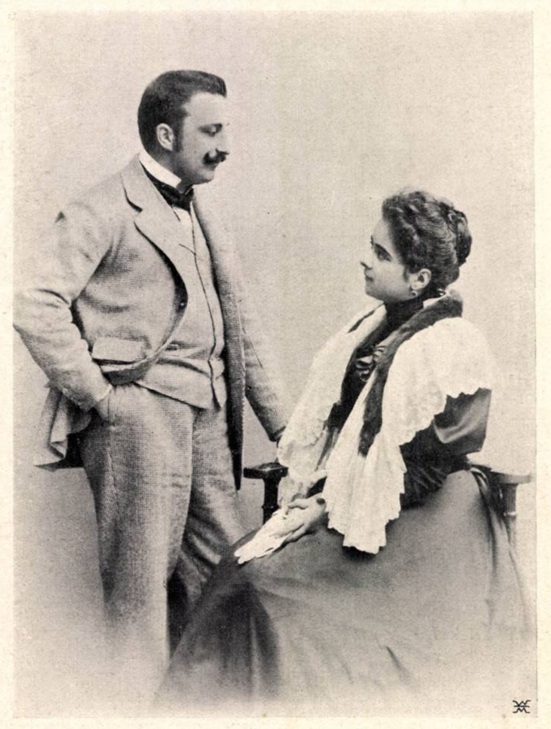
Margit (Manci) Krémer was a celebrated actress of the Hungarian theatre in Cluj-Napoca during the interwar period. Her career was cut short by the nationalization of 1949, when, due to her husband’s “class-alien” origin, she was forced to leave the theatre. Nevertheless, the artist remained by her husband’s side and continued her work at the puppet theatre in Târgu Mureș (Marosvásárhely).
The castle was looted during the Second World War, and its furnishings were carried away by the villagers. After 1944, the Teleki family mainly resided in Cluj-Napoca, visiting Ocna Mureș only in the summer. During the communist period, the castle became the headquarters of the state agricultural cooperative, its former park was parceled and built over with apartment blocks. The outbuildings fell into ruin and were eventually demolished. The destruction and looting intensified after 1989, when the cooperative left the premises and the building was left abandoned. For a short time, a Christmas ornament workshop also operated there.
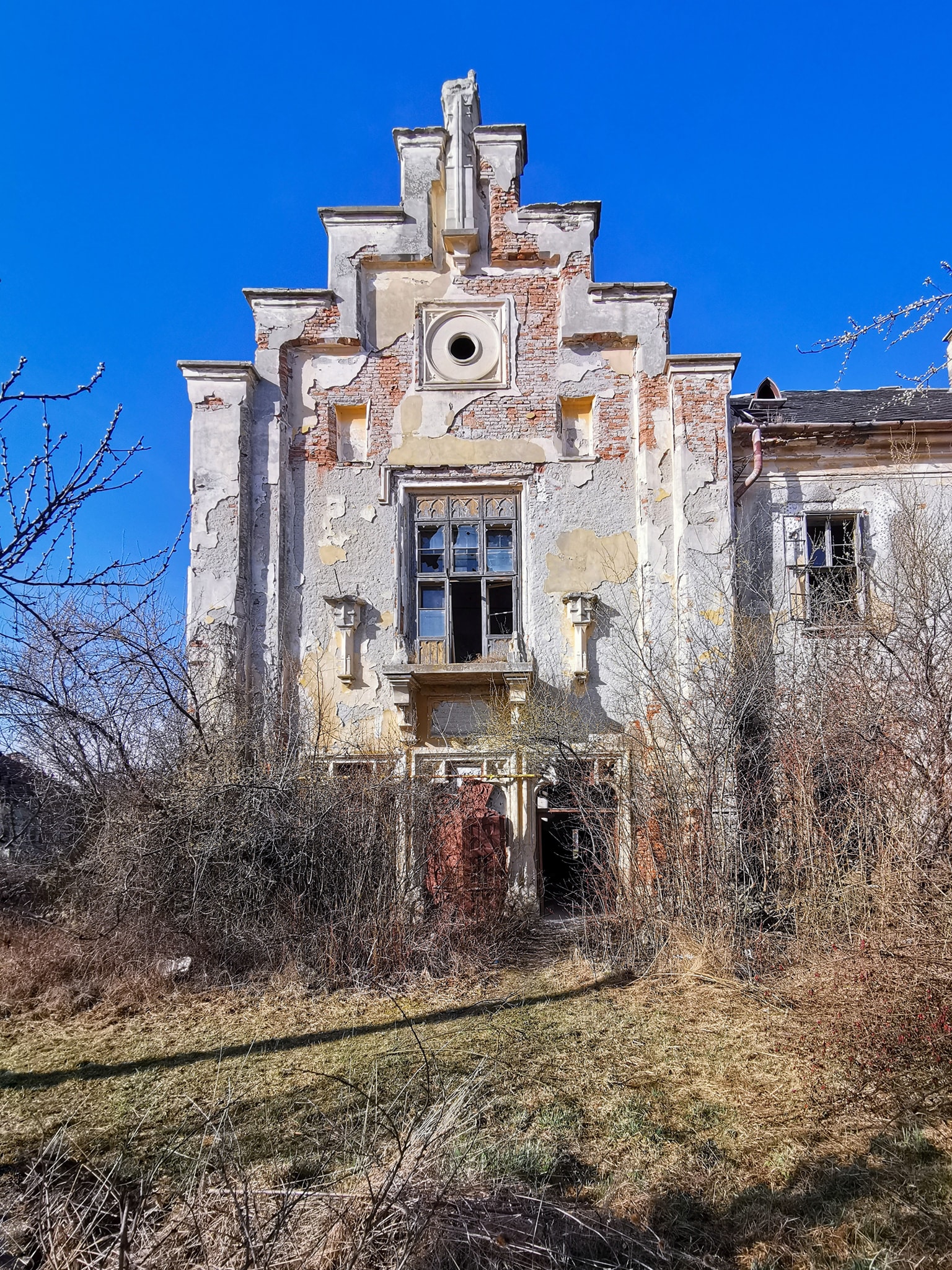
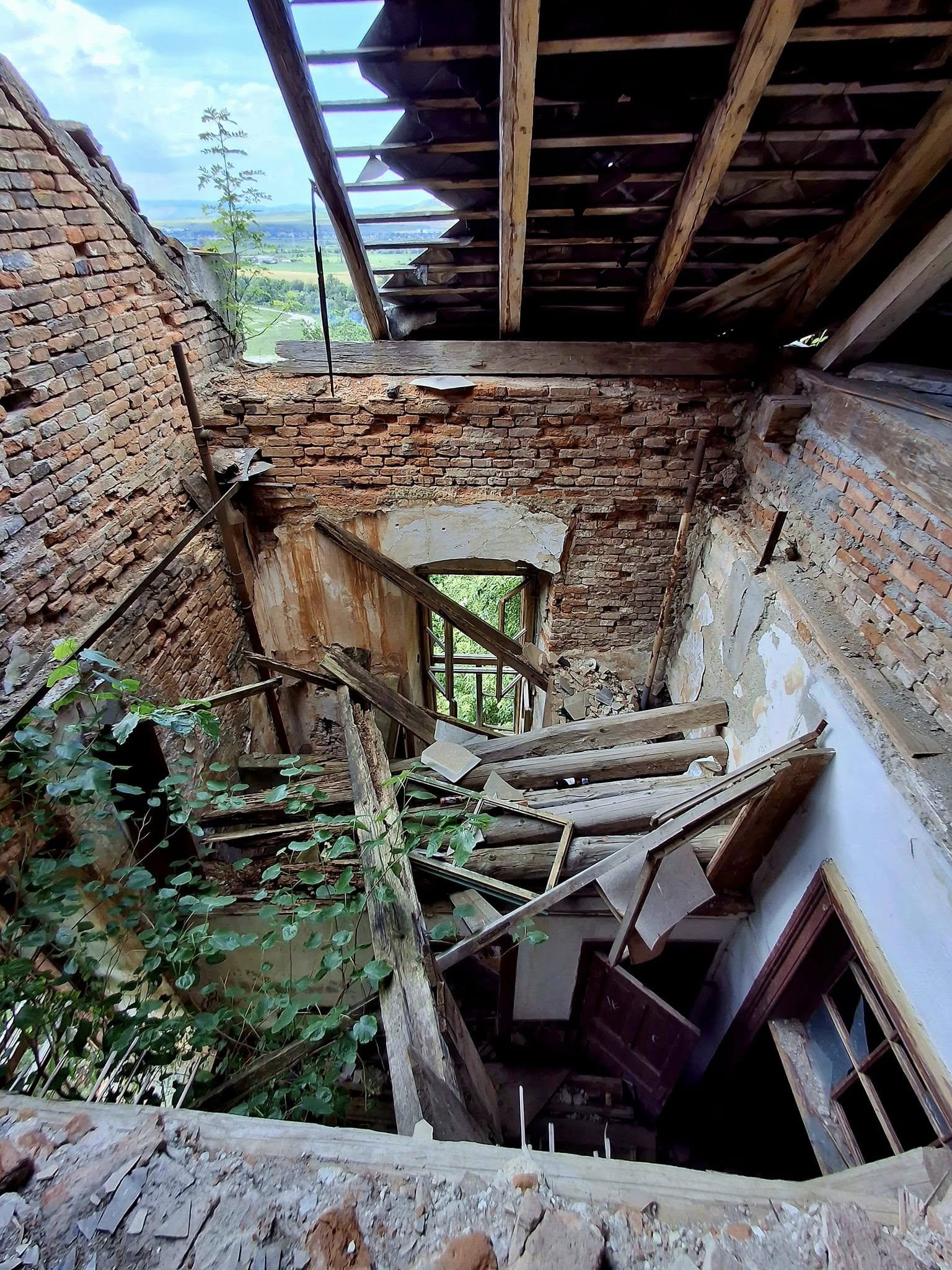
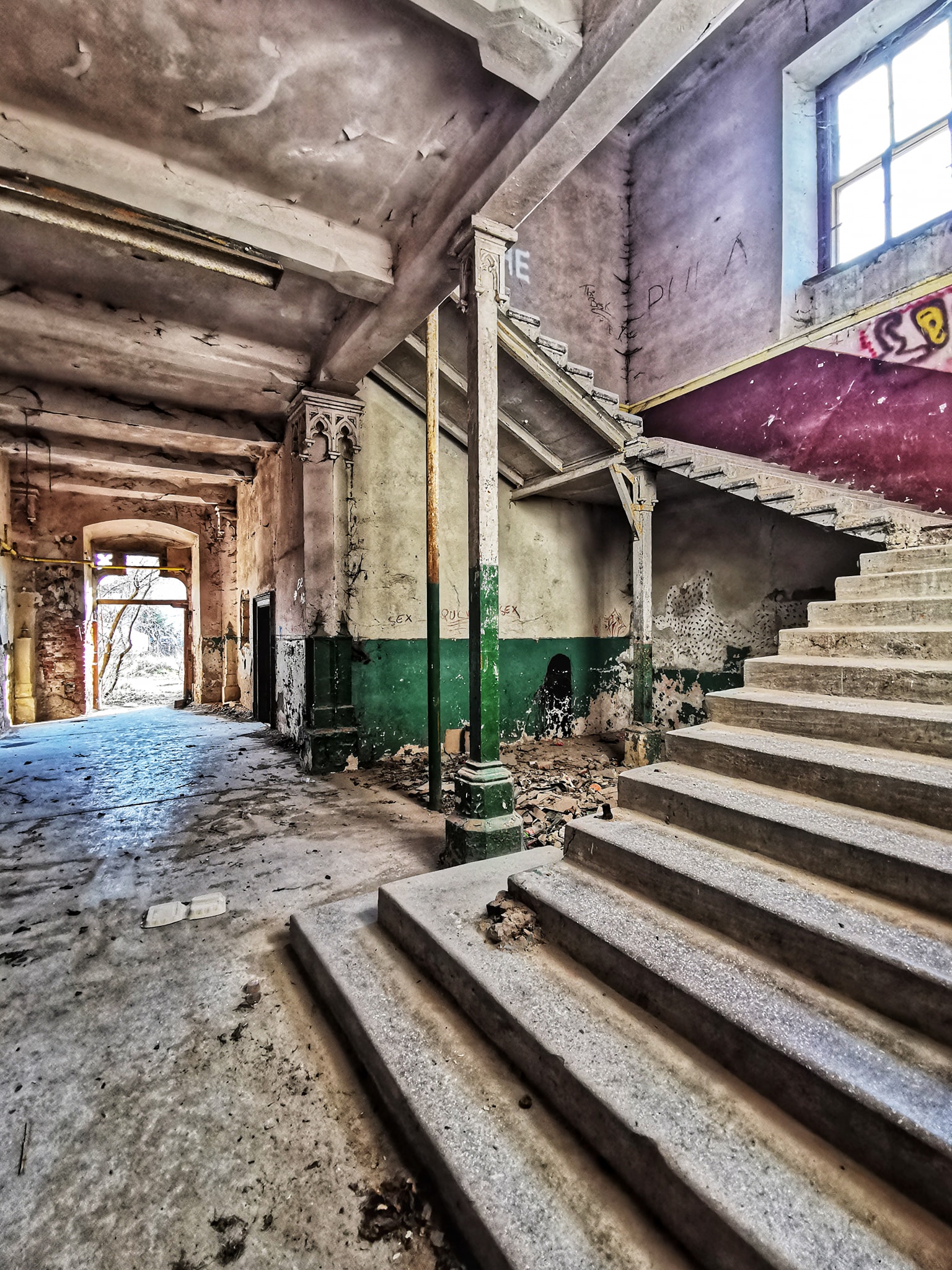
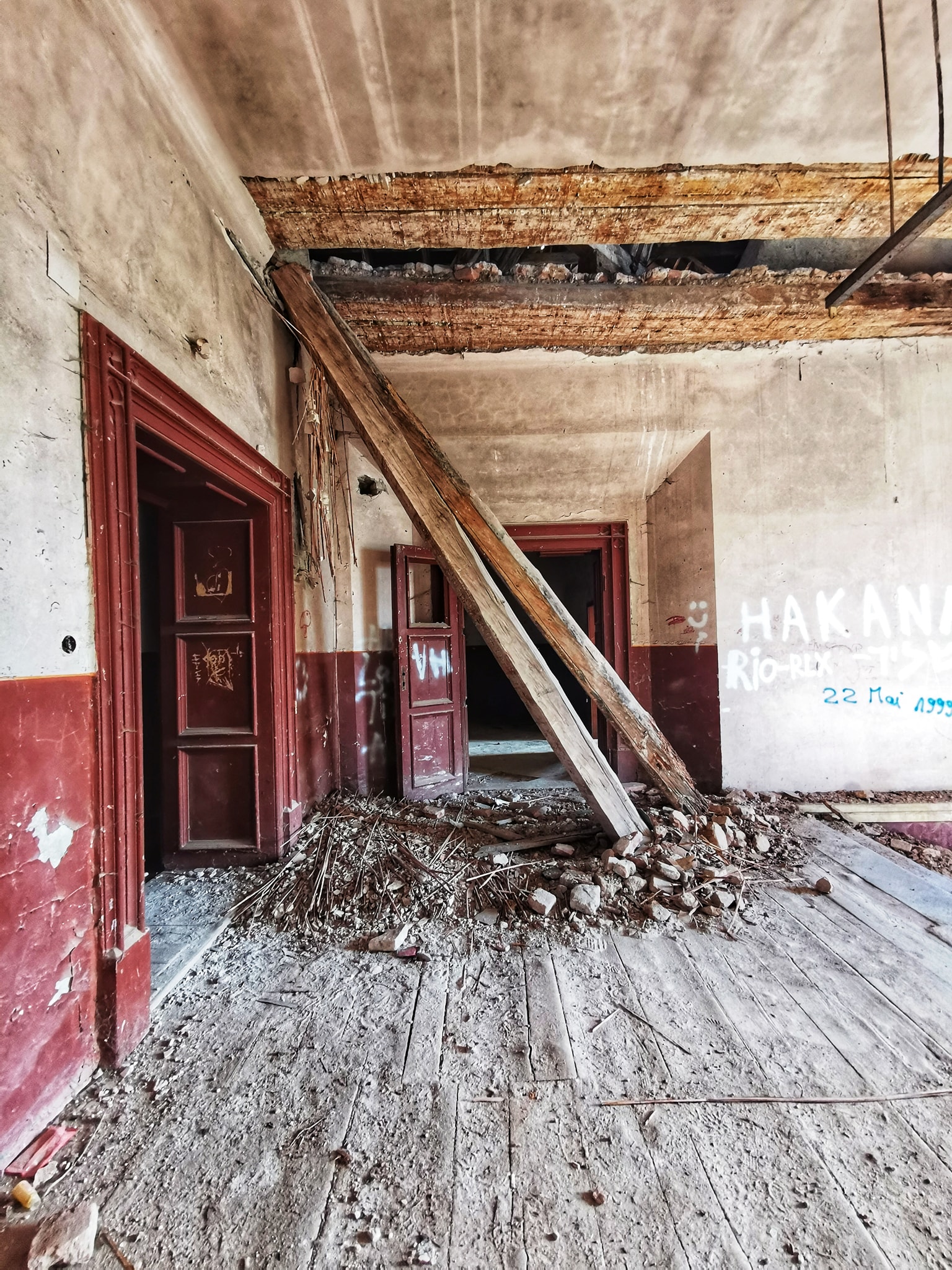
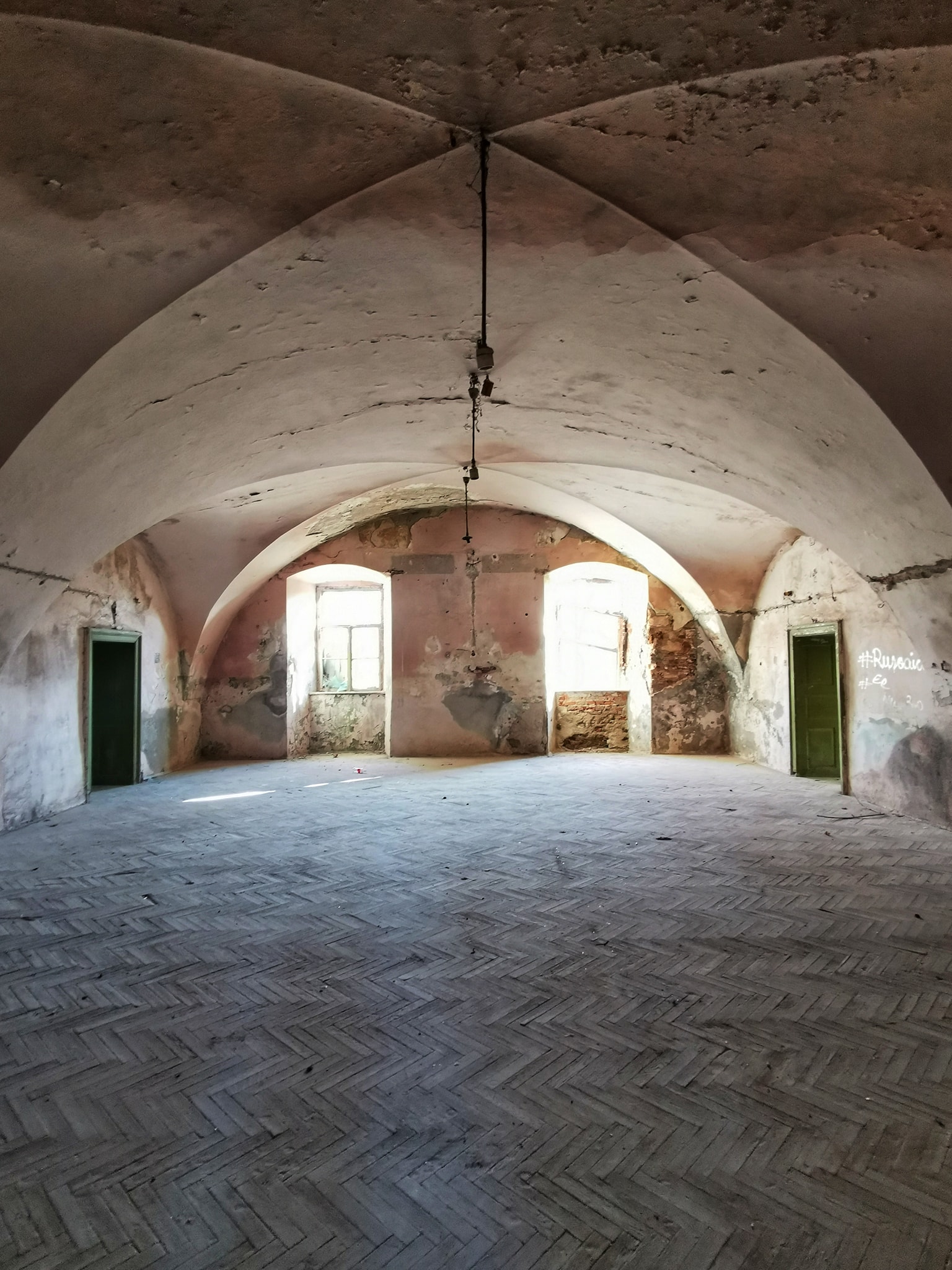
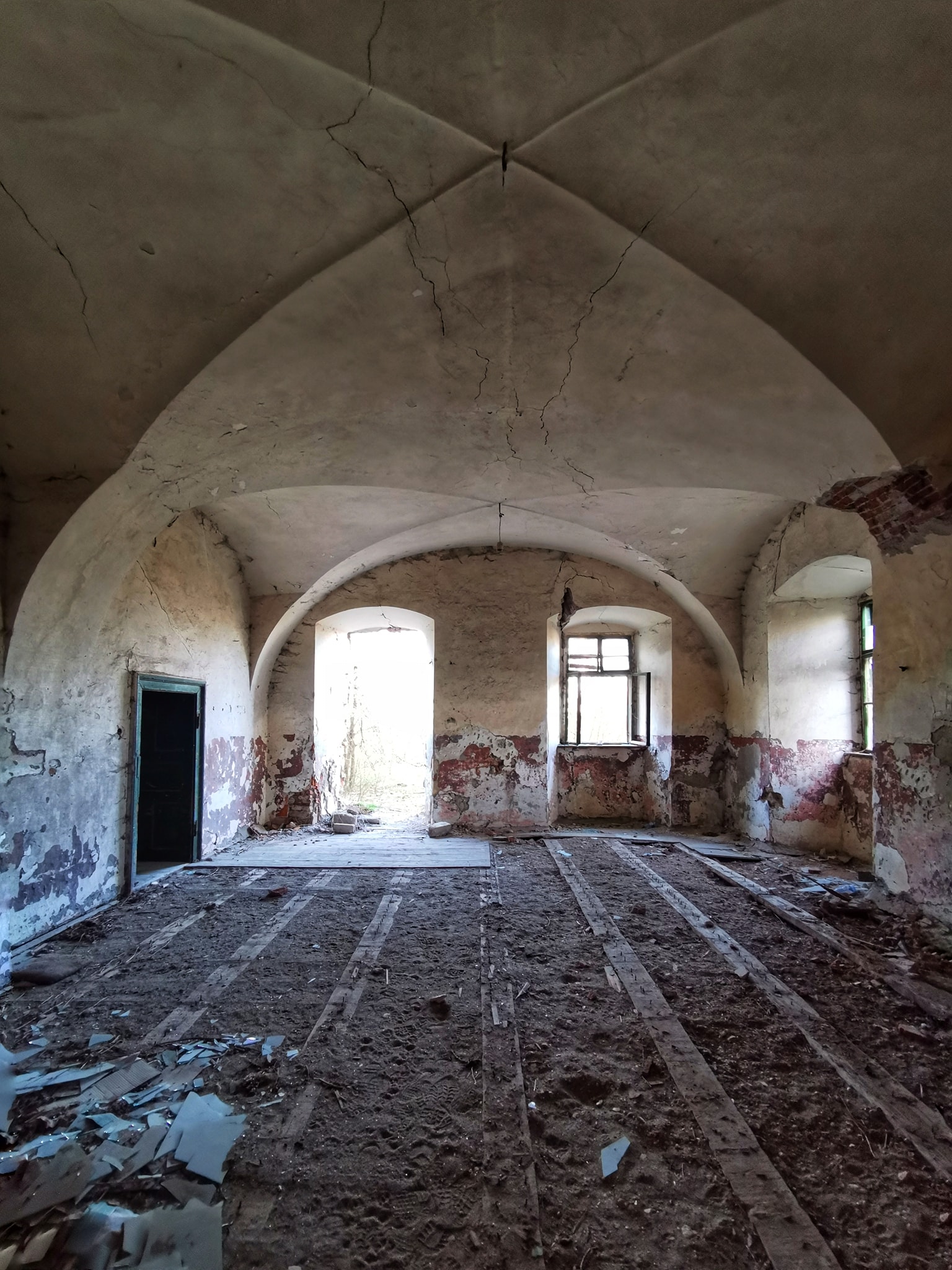
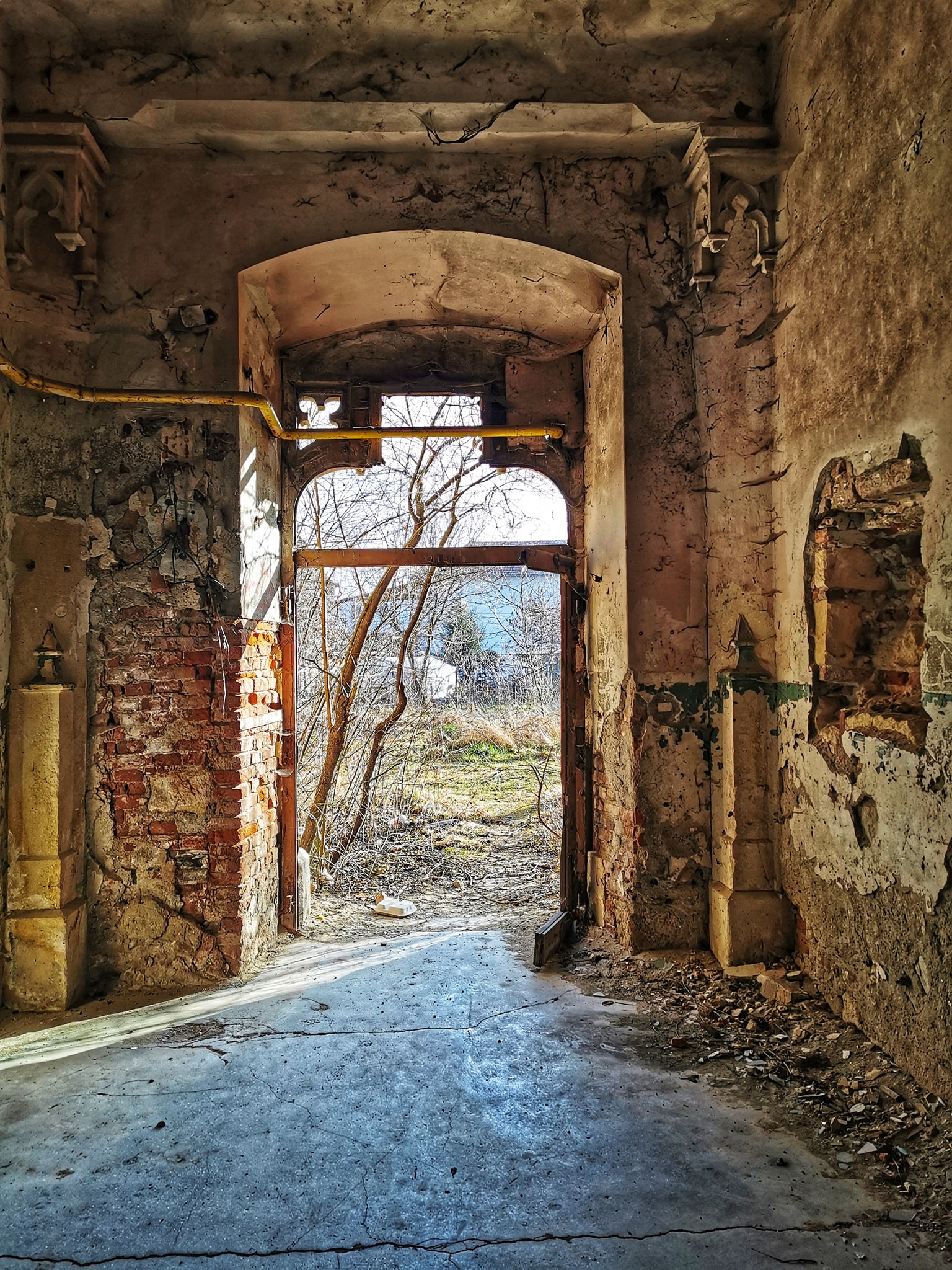
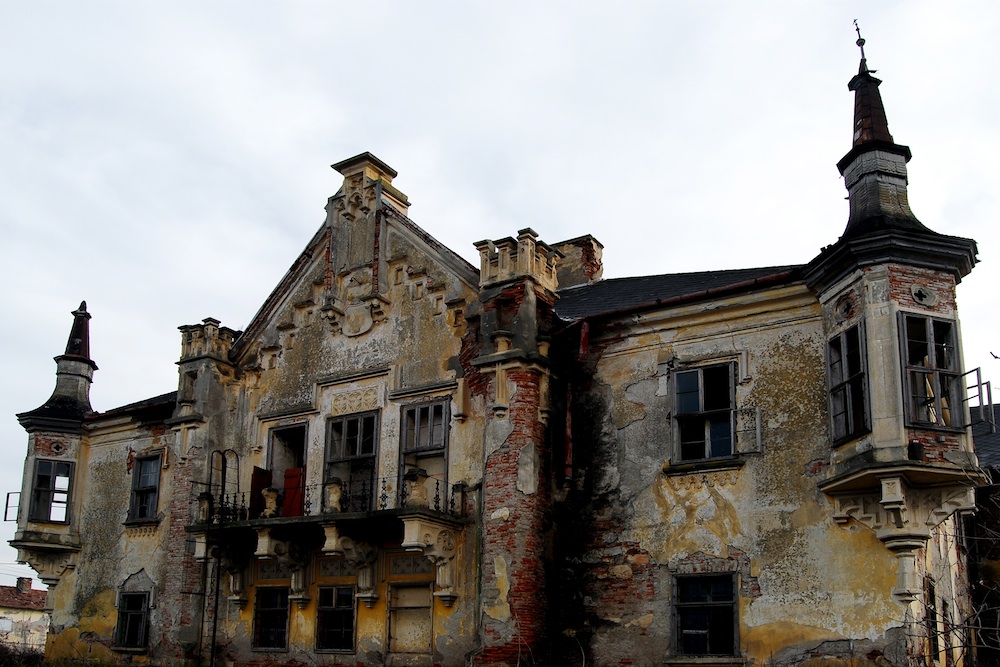
Ádám Teleki and Margit Krémer had no children, so the descendants of the families fought in court for many years over ownership rights to the castle – Sámuel Teleki, who lived in Canada, and Ferenc Krémer, who lived in Hungary. In the meantime, both passed away, and the inheritance battle was continued by their children. According to the news portal Maszol, the court eventually ruled that the castle was to be held in undivided joint ownership by the Teleki and Krémer families. Today, the building stands empty, its condition steadily deteriorating: windows and doors have disappeared, the walls are crumbling, and the roof structure is damaged. In recent years, several foreign companies have expressed interest in the property, but due to the unclear ownership situation, all eventually gave up on the purchase. The local representative of Sámuel Teleki, who lived in Canada, was the businessman Béla Bartha, who would have taken part as co-owner in the castle’s reuse.
Art historical aspects
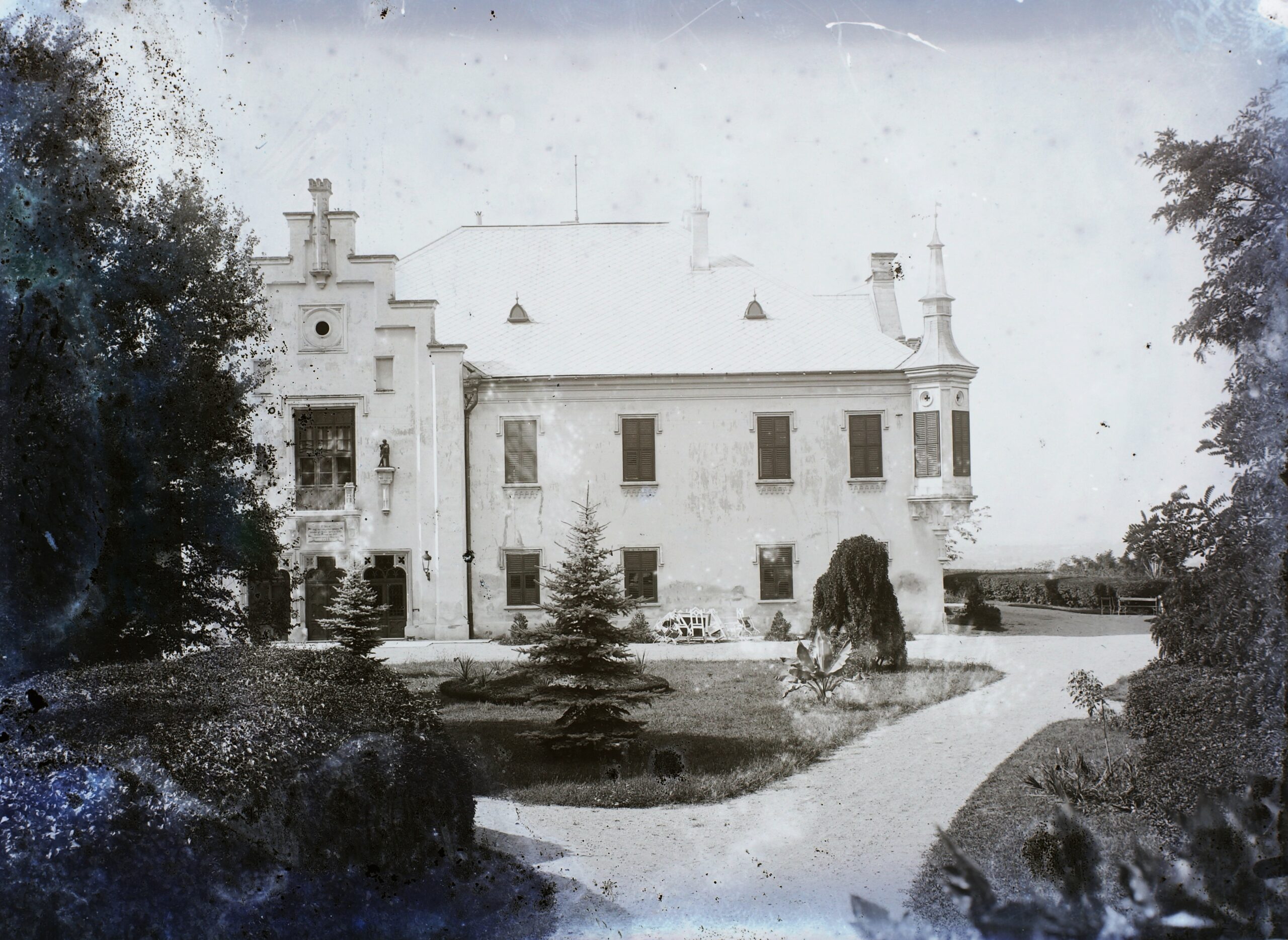
The predecessor of the castle in Ocna Mureș was the Renaissance castle of János Gálfi from the 16th century, which Count István Mikes (II) remodeled in Baroque style in the 1740s. The building acquired its present form during the time of Count Imre Mikó de Hídvég, between 1856 and 1862, when it was transformed in Neo-Gothic style. The new edifice was designed by Antal Kagerbauer, the most important Cluj architect of the Romantic era. He also designed, for instance, the boating lake with the island in the central park of Cluj-Napoca, which still serves its original function today. Alongside Kagerbauer, several renowned Cluj architects – including Ferdinand Hottner, Daniel Reschner, Peter Schubert, István Nagy, and Balázs Debreczeni – participated in the construction works at Ocna Mureș.
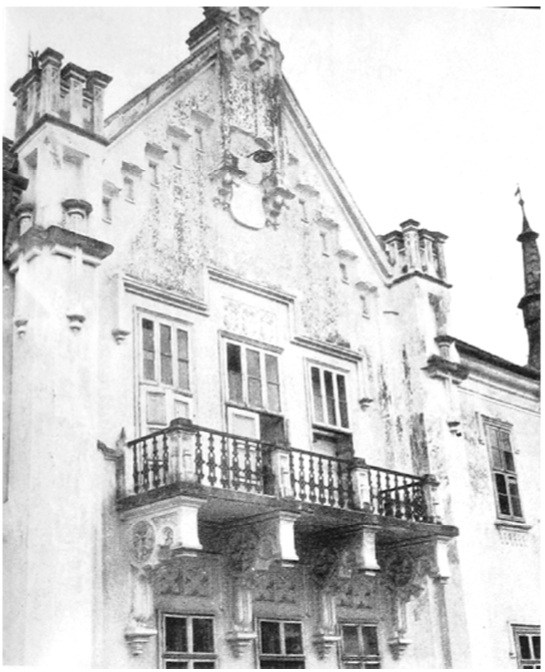
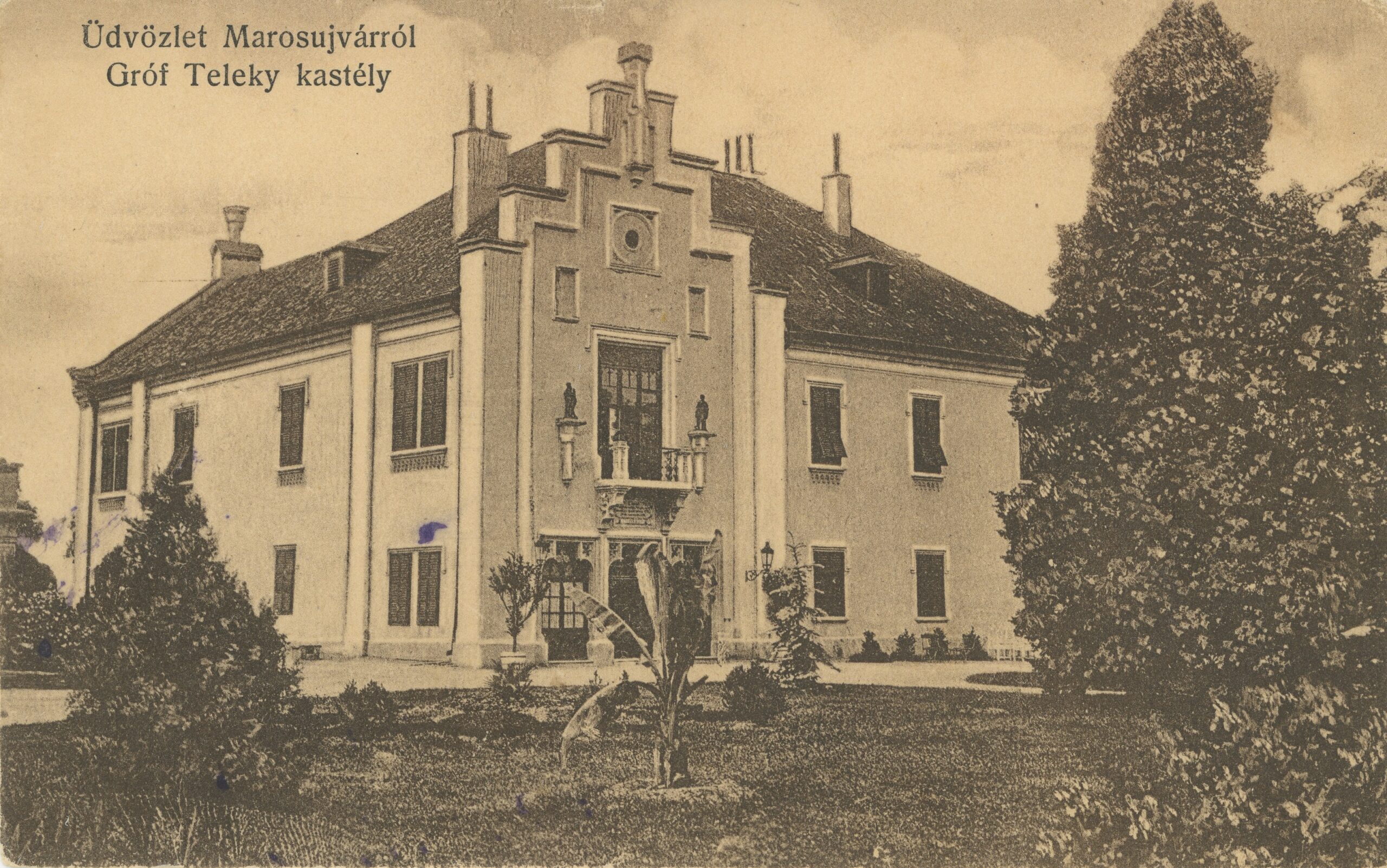
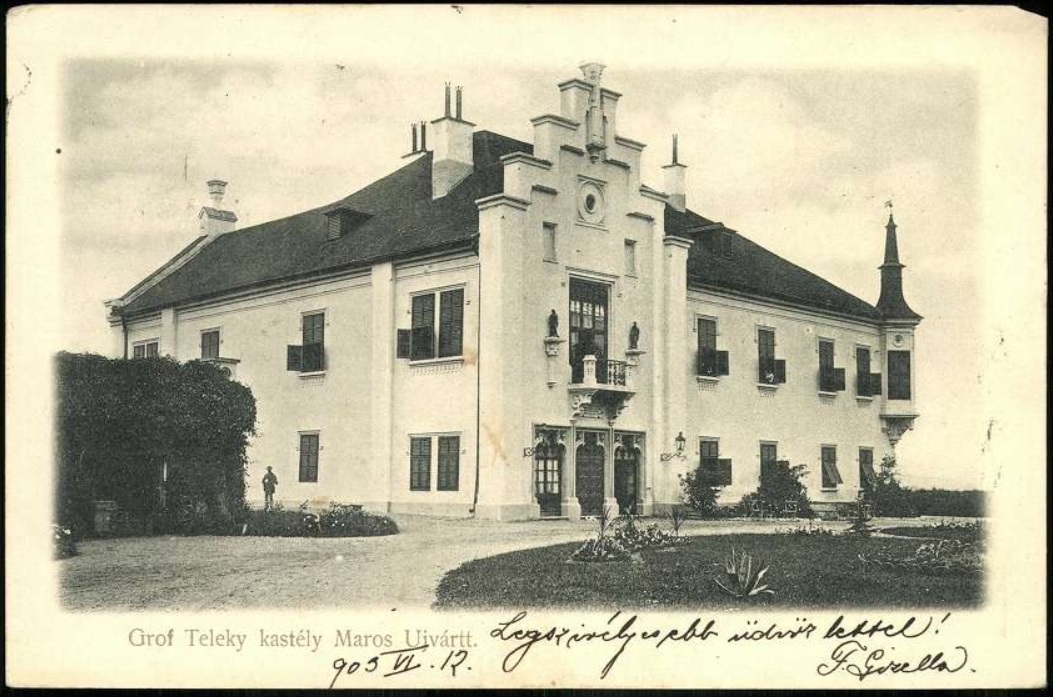
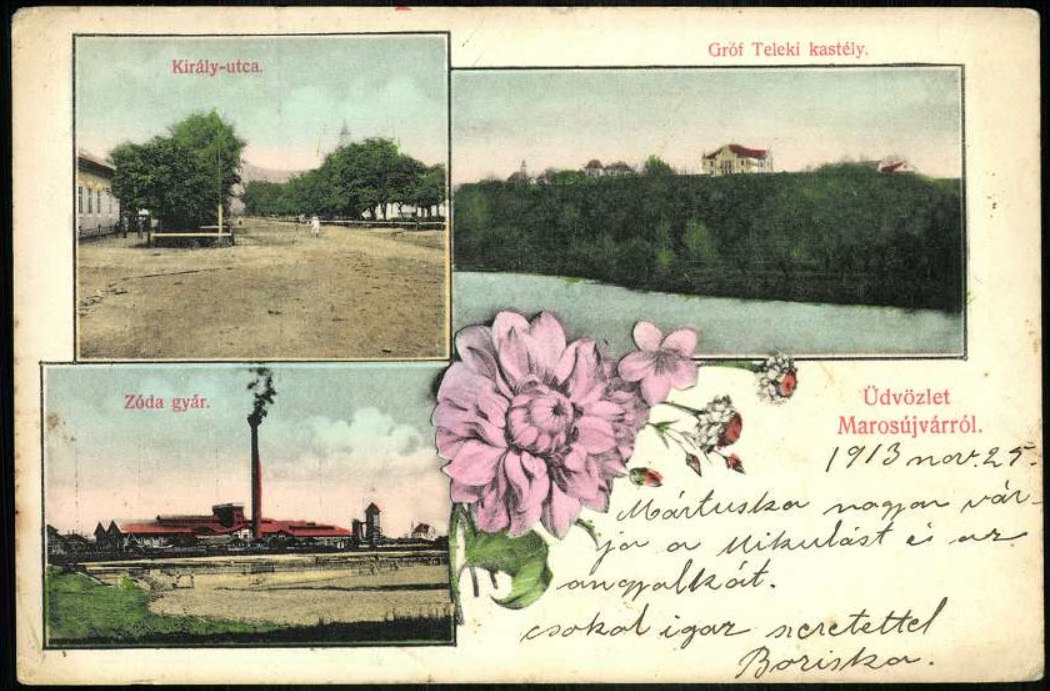
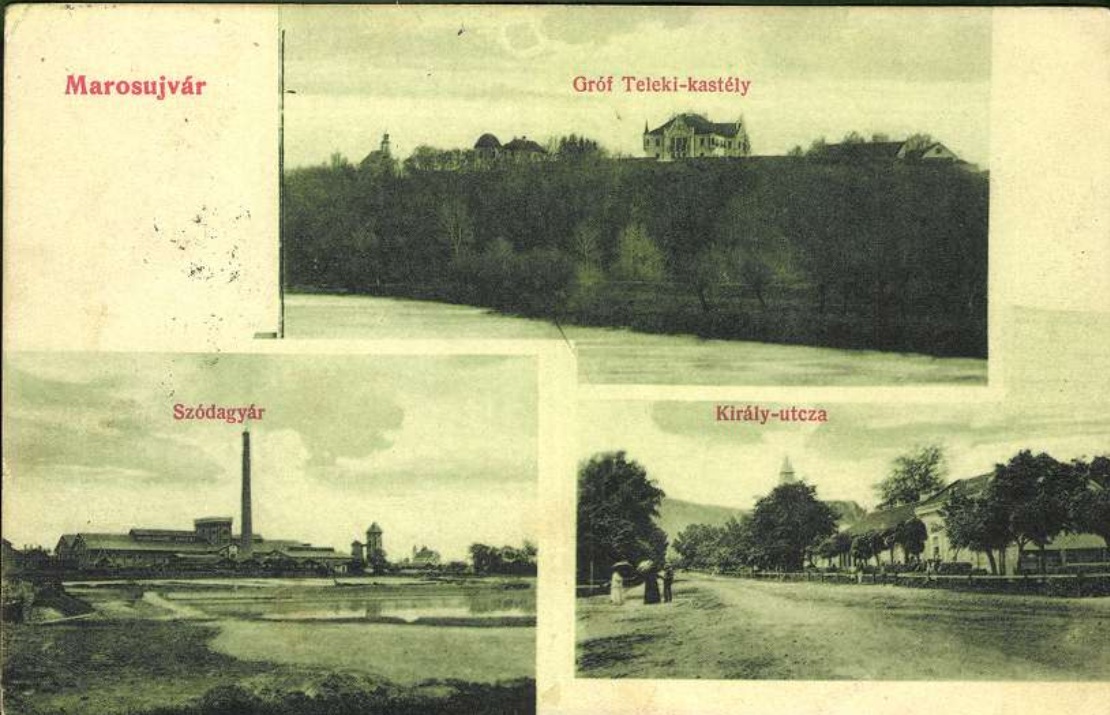
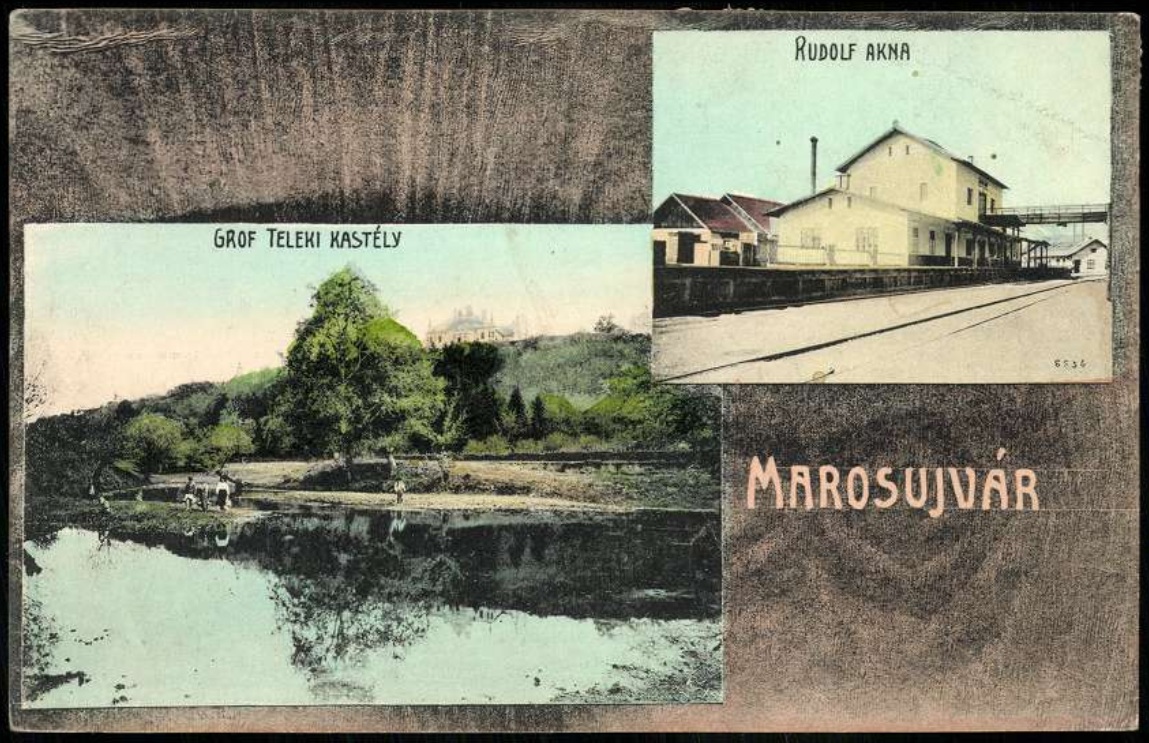
The one-story, square-plan castle preserves in its massing and roof structure the features of the earlier Baroque building, while its Neo-Gothic details make it an outstanding monument of historicist architecture. The main façade of the castle faces the Mureș River, dominated by a central risalit crowned with a stepped gable, whose upper level features a balcony resting on ornate consoles. On the lower level of the central risalit is the triple-arched main entrance with pointed arches, above which can still be seen – in a badly damaged state – the inscribed stone commemorating the construction works. At the corners of the main façade, there are enclosed upper-story balconies topped with sharp spires. The side façades are similar to the main one: decorated with Neo-Gothic stone carvings, cast-iron ornaments, and straight-ended windows.
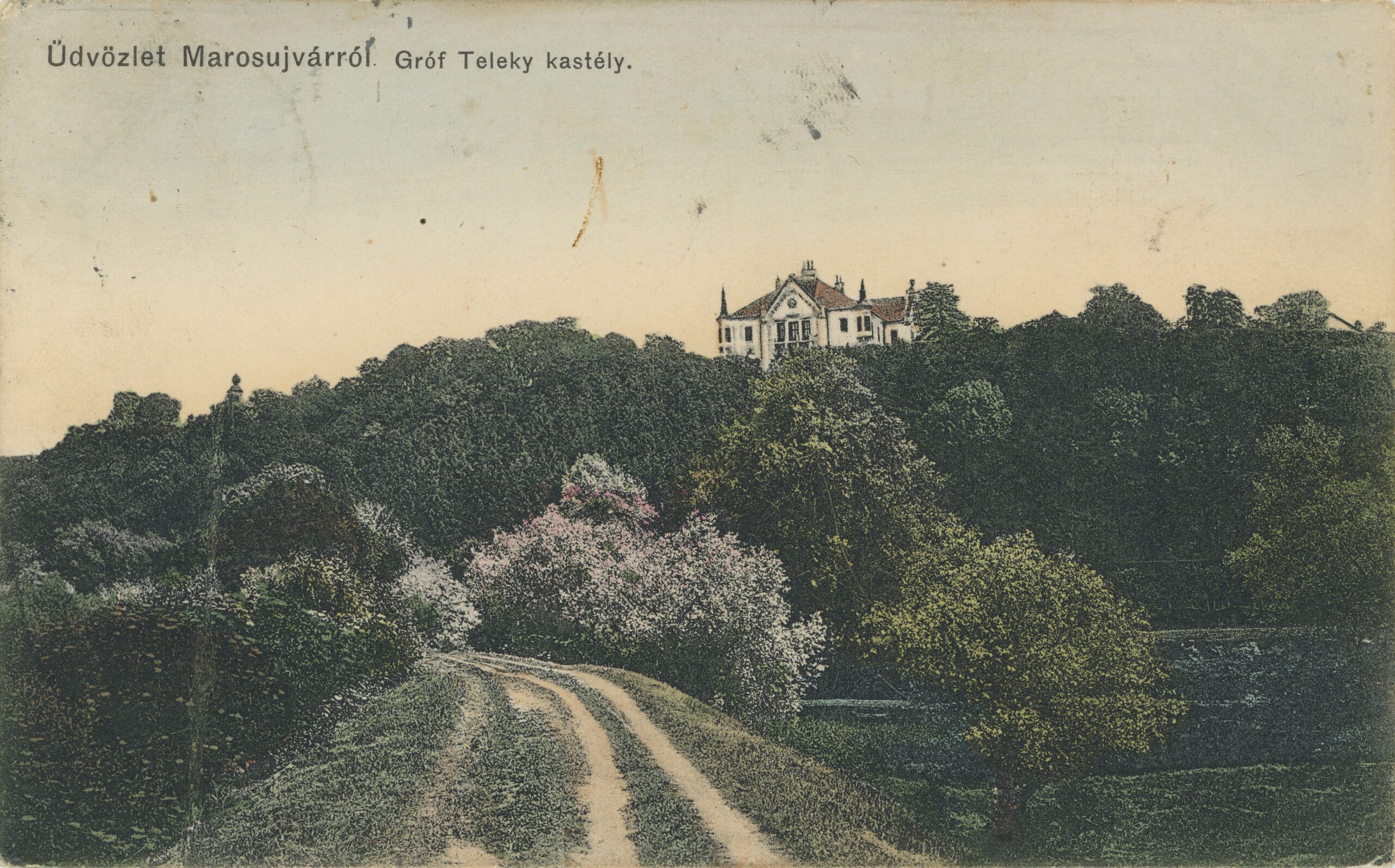
Balázs Orbán, in his work Description of Székely Land (Székelyföld leírása), presented the noble residence as follows: “I see amongst the heights a promontory jutting out… This is beautiful in itself, but becomes more picturesque with the proud Gothic castle decorating its summit with whimsical auxiliary buildings and it is crowned with an ancient tower… presents the most stunningly set and most imposing castle of little Transylvania… A lovely view is visible from the garden and from each window of the castle too; which turns into an enchanting panorama when someone steps on the roof terrace of the castle. The foot of the promontory is decorated by the Maros as a silver lining... A few decades ago, several bastions of the Gálfi castle and parts of the defensive walls were still standing, but they were leveled to make room for the landscaped garden; only in the northeastern corner was a pentagonal bastion with a conical roof preserved, and further away the foundations of the gate can be seen, where one could enter the fortress via a drawbridge, for outside the eastern defensive wall a ditch, still 10 fathoms wide and several fathoms deep, cuts across the entire width of the neck of land.” From this description it becomes clear that the castle was once surrounded by an impressive park, laid out on the site of the Renaissance fortifications.
Next to the main building stands the Neo-Gothic structure that once led to the wine cellar, built by Ádám Teleki, grandson of Imre Mikó and heir of the castle, but today it too is in an advanced state of ruin.
Interesting facts
Ocna Mureș, with its long history, was already inhabited in Roman times, when they named the local salt mine Salinae. The Romans had already begun extracting salt here, and the activity continued during the Árpád era as well, but due to the regular flooding of the Mureș River, it was interrupted for a time. In the 18th century, the mining engineer Ruszbatzky began mapping the area with its great potential, and his work was continued in the 19th century by the mining engineer György Mészáros, who invented the spiral basket-based salt elevator and restarted salt mining. At that time, the owner of the settlement was Count János Mikes, who was visited in 1821 by István Széchenyi, who recorded the following in his diary: “Ocna Mureș is the most remarkable mine. According to the new mining methods, it has been worked for 35 years. However, they found traces suggesting that the Romans took salt from these places, but, inexperienced in mining and fearing the collapse of their own shafts, they soon had to abandon them – or they exposed the salt so much to rain and moisture that it was ruined.”
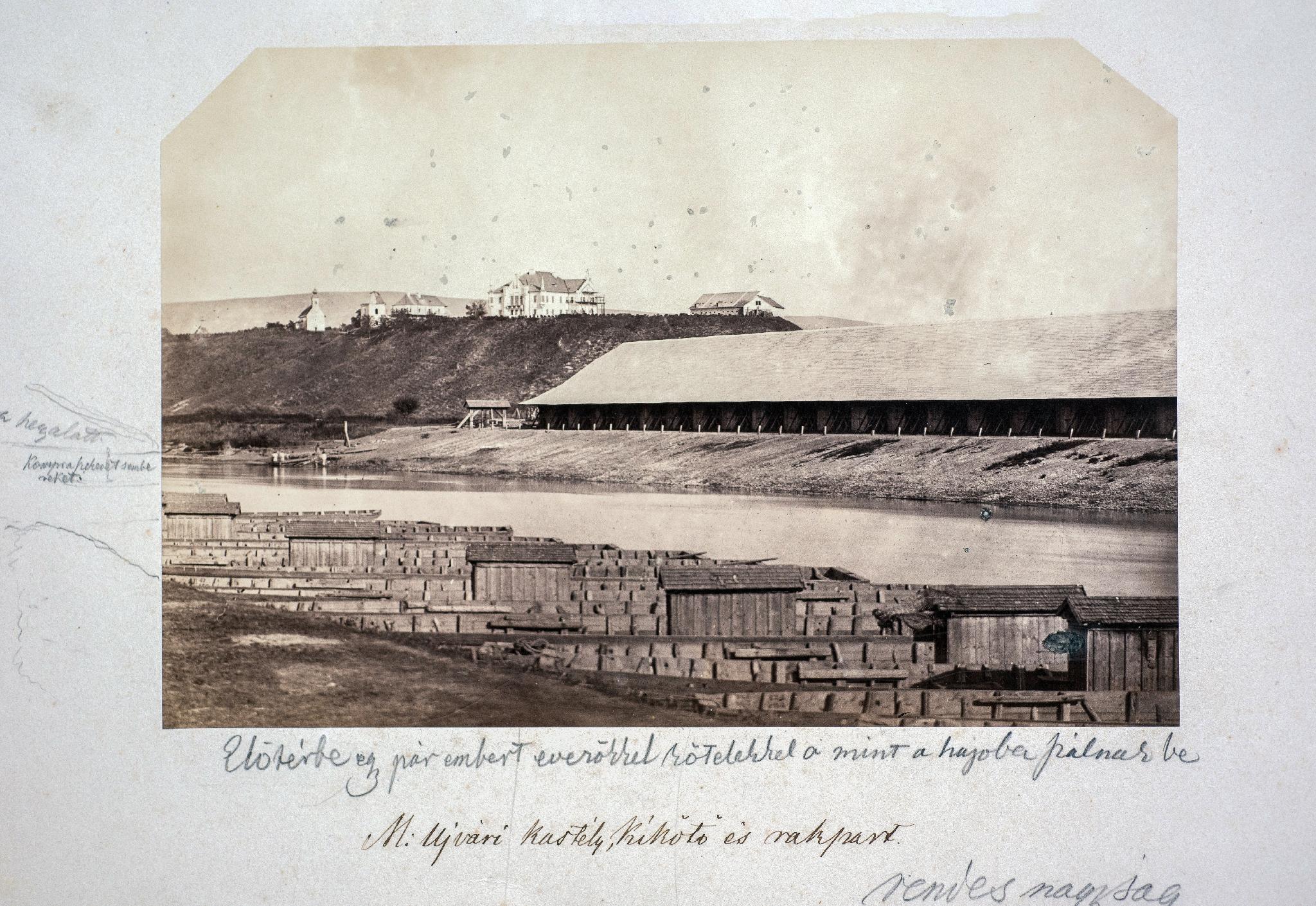
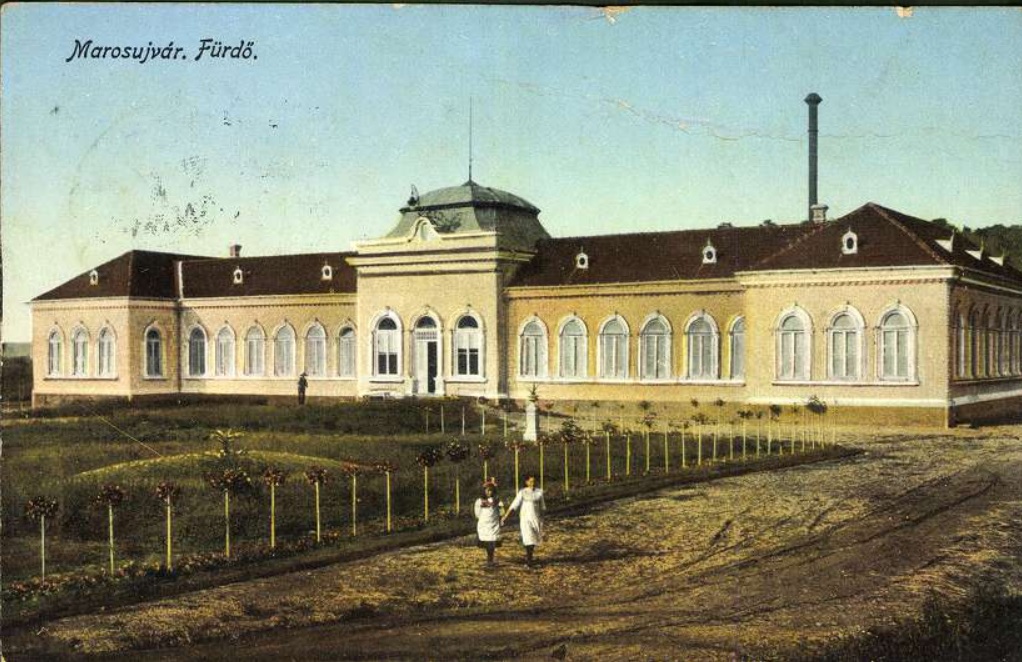
In the second half of the 19th century, the bed of the Mureș River was regulated, after which Ocna Mureș underwent rapid development, becoming one of the most important salt-extraction centers of Transylvania and for a time the seat of Alsó-Fehér County. The waters of the Mureș were filled with salt-transporting vessels, from here the famous Transylvanian table salt being exported all over the world. In 1896, the Belgian-Austrian chemical company established its plant, the Solvay soda and ammonia factory, which supplied almost the entire demand for soda in the Kingdom of Hungary, and during these years the settlement’s salt spa was also opened. The salt mine began sinking after the Second World War, with one of the most tragic events occurring in 2010, when the mine collapsed and the salt-water crater swallowed a part of the the shopping center in the middle of the town.
Bibliography
- Margit B. Nagy, Kagerbauer Antal és a romantika építészete Erdélyben. In: Stílusok, művek, mesterek. Művészettörténeti tanulmányok. Kriterion Publishing, București, 1977.
- Zoltán Bicsok – Zsolt Orbán, „Isten segedelmével udvaromat megépítettem…” Történelmi családok kastélyai Erdélyben. Gutenberg Publishing, Miercurea Ciuc, 2012.
- Beáta Bordás, Erdélyi kastélyépítészet a historizmus korában (1840–1914). Az egykori Kolozs, Torda-Aranyos és Alsó-Fehér vármegyék kastélyai. Erdélyi Múzeum-Egyesület, Polis Publishing, Cluj-Napoca, 2016.
- Gábor Margittai, Behorpadt város. Felsőmarosújvári Telekiek – Az összeesküvő. In: Tiltott kastély. Erdélyi történelmi családok a jóvátétel útvesztőjében. Külső Magyarok Kft. Debrecen, 2017.
- Tibor Nagy-Bodó, A megállíthatatlan pusztulás küszöbén? In: Népújság. vol. 74. nr. 91. 2022. 7.
- József Sisa, Kastélyépítészet és kastélykultúra Magyarországon. A historizmus kora. Vince Publishing, Budapest, 2007.
References, interesting links
Contact details


The building












Related people